
KABUL, AFGHANISTAN — In the high-altitude ridges of the Hindu Kush mountains, where the air is thin and the terrain is unforgiving, the story of Sergeant First Class Jared C. Monti remains etched as one of the most profound displays of valor in the history of the Afghanistan War.
While the world often recognizes the names of heroes through headlines and medals, the strategic and human reality of what occurred during the mission in Nuristan Province reveals a level of sacrifice that goes beyond the official citations.
The Mission: Operation Gowardesh
In June 2006, SFC Monti, a leader within the 3rd Squadron, 71st Cavalry Regiment, 10th Mountain Division, led a 16-man patrol tasked with a critical surveillance mission. Positioned on a ridge to provide intelligence on insurgent movements, the team was suddenly ambushed by a force of over 50 fighters.
The specialized unit was pinned down by intense rocket-propelled grenade (RPG) and machine-gun fire from three sides. What followed was a desperate struggle for survival in which tactical leadership and personal courage became the only path forward.
A Choice Between Safety and Brotherhood
The turning point of the engagement occurred when a fellow soldier was wounded and left exposed in an open “kill zone” under heavy enemy fire. According to eyewitness accounts from the survivors, Monti did not hesitate.
Despite a hail of bullets hitting the ground around him, Monti made three separate attempts to run into the open to retrieve his fallen comrade. On his third attempt, as he moved across the exposed ridge, he was fatally struck by an RPG.
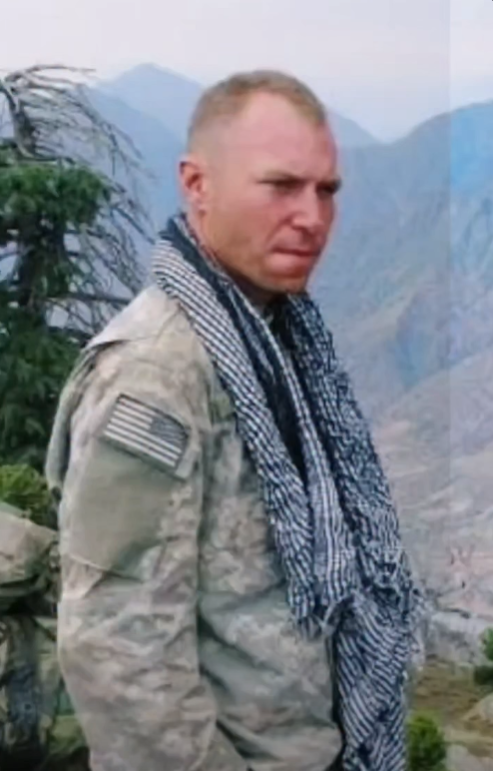
Beyond the Medal of Honor
In 2009, Jared Monti was posthumously awarded the Medal of Honor, the United States’ highest military decoration. However, his legacy shifted from military reports into global popular culture through the story of his father, Paul Monti, who continued to drive his son’s 2001 Dodge Ram truck to stay connected to his memory—a story that inspired the hit song “I Drive Your Truck.”
Today, military analysts and historians point to Monti’s actions not just as an act of bravery, but as a definitive example of the “Warrior Ethos”—the refusal to leave a fallen comrade behind, regardless of the personal cost.
A Legacy That Endures
The sacrifice of SFC Monti continues to be a case study in leadership and tactical ethics at military academies worldwide. He remains a symbol of the heavy price paid during the decade-long conflict in Afghanistan and a reminder of the human lives behind the statistics of war.
For more in-depth analysis on military history and untold stories from the front lines, follow our latest updates.
Leave a Reply